

For users across the UK, the level of an online slot is now measured by how welcoming and welcoming it feels. buffalo hunter slot bonus features Hunter Slot has been developed with this in mind, incorporating features designed to open up the game to more people. This article looks at those specific features and how they operate for players with different requirements. We’ll detail everything from modifying the look and sound to personalising controls, all of which help build a fairer gaming space. This approach shows the industry is beginning to understand that good design must accommodate everyone. It’s about ensuring that fun is an possibility for all, no matter someone’s capability or how they prefer to play, transitioning from simple checklist-filling to a more thoughtful experience.
Essential Visual and Auditory Adjustment Options
Buffalo Hunter Slot begins with the basics, letting you adjust what you see and listen to. On the visual front, you can often lower the strength of animations. This aids players who encounter visual strain or suffer from disorders like photosensitive epilepsy. The symbols stand out clearly against the setting, with adequate contrast for those with slight sight difficulties. The audio configuration is equally flexible. You find separate volume controls for the audio, sound components, and any commentary. This detailed control enables you can mute flashy elements but keep crucial audio indicators, like the noise of a win. These modifications enable you build a sensory environment that works for you, representing the vital first step of an inclusive layout. They are straightforward changes that can render the game playable and enjoyable for many people.
The game also ensures all the key information is straightforward to understand. Your current stake, credit total, and any wins appear in readable, adequately sized fonts. The colour design, while thematic, avoids pairings known to affect colour-blind players, especially for important status lights. Critical prompts never depend on colour only; they always feature a distinct marker or a text label. The reels and control elements are built with ample size and gaps, which cuts down on mis-clicks, especially on a touchscreen. These design elements prove that visual usability isn’t simply a settings menu addition. It’s woven into the very structure of the interface. The whole layout strives for easy reading and less eye stress, an aspect every player values during a extended session.
Input Controls and Input Flexibility
The game’s controls accommodate a spectrum of motor skills. You can play it using a regular mouse, a touchscreen, or solely your keyboard. The spacebar activates the reels, and the tab key switches between buttons. Working with all these formats means players can use whatever adaptive equipment or input device functions optimally for their motor skills. Even the autoplay function serves an accessibility role. It lets you set a spin count to execute automatically, negating the necessity of continuous manual interaction. This is a true advantage for anyone with a condition that causes fatigue or pain from repeated actions. The autoplay menu is easy, with clear choices for setting loss limits and single-win caps. It integrates accessibility and responsible play in one configurable tool.
Interaction design considers a player’s speed. If you require extra time between actions, there’s no negative consequence. Buttons offer clear visual feedback when you click them. The game excludes any mechanics that necessitate two keys at once or complex swiping motions. Everything operates via single-point, step-by-step actions. The control panel layout stays consistent and predictable. The buttons you rely on—spin and bet adjustment—are the most prominent and sit right in the centre. This sensible layout keeps cognitive load light and enhances the game’s accessibility. The design removes physical interaction as a limiting factor, so your concentration can stay on the gameplay.
Key Assistive Technology Compatibility
An actual test of accessibility is how well the game works with third-party assistive tools. Constructed using HTML5, Buffalo Hunter Slot enables standard screen readers to pick up core interface text. They can announce your bet level, credit total, and win notifications. We see a notable gap, though. The dynamic content inside the game reel area—the changing symbols and their positions—usually isn’t described. For screen magnification software, the responsive design holds up well. The interface adapts effectively when zoomed in, without breaking apart.
- Screen Reader Support: Basic navigation and static text are accessible, though real-time reel outcomes are not described.
- Keyboard-Only Navigation: Total operability via tab and enter keys is supported for play without a mouse.
- Voice Control Readiness: Well-defined button labelling enables compatibility with voice command software for desktop play.
- Magnification and Scaling: The game canvas resizes cleanly, supporting browser zoom up to 200% without loss of functionality.
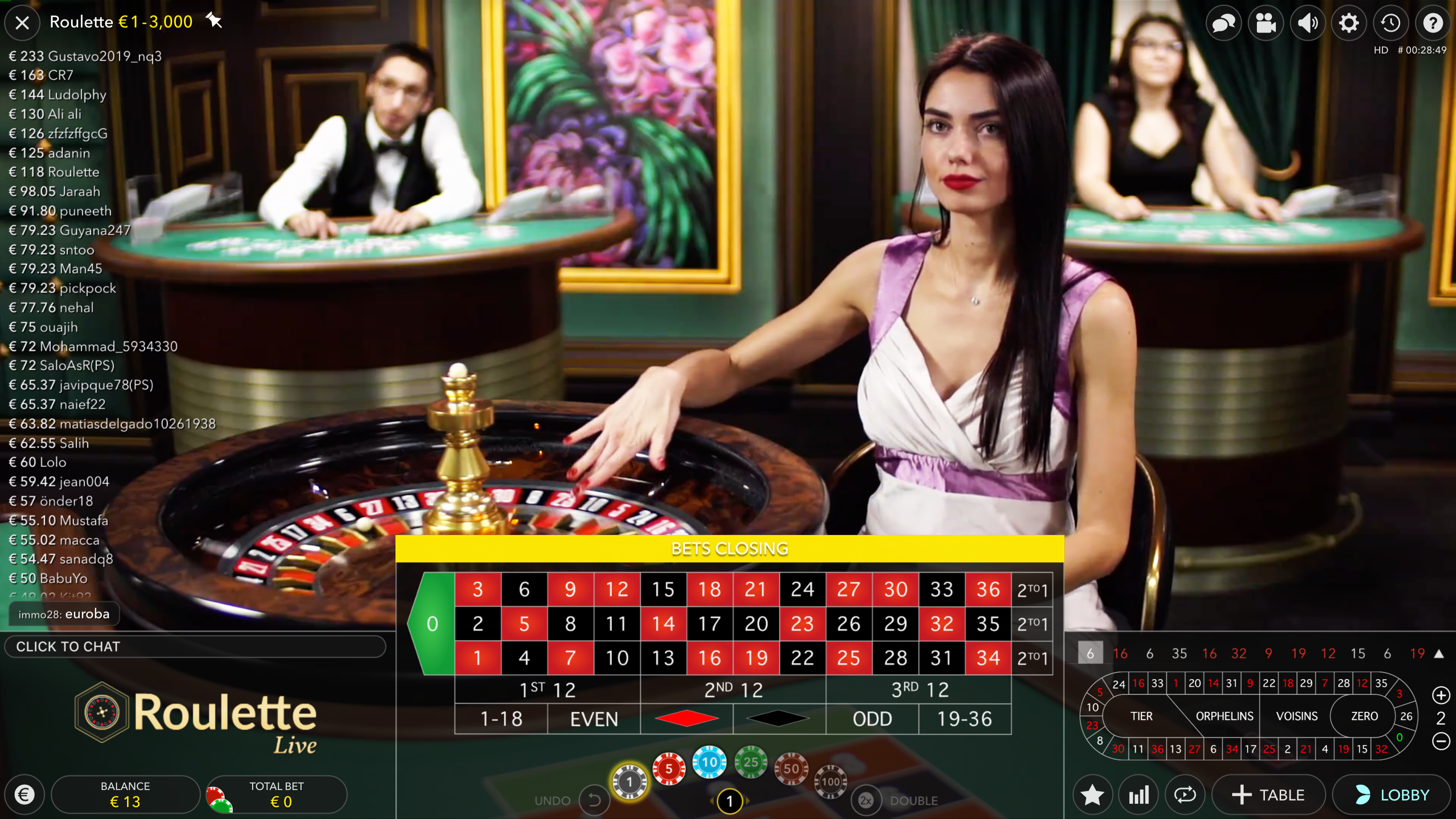
Adhering to modern web standards is a good sign for future upgrades. A well-built HTML5 game is simpler to enhance with advanced features like ARIA labels. Right now, the existing compatibility delivers a foundation that already beats older, Flash-based slots. Developers should view this as a work in progress. Testing with the community could assist bridge the remaining gaps, especially in detailing the core spinning action.
Mental and Learning Usability Factors
Buffalo Hunter Slot facilitates cognitive inclusivity through clearness and uniformity. It uses a familiar slot machine structure, which lowers the learning curve. One click shows the paytable, revealing winning combinations in a simple list. Instructions for bonus features use easy language, avoiding jargon. This openness is important for players with intellectual or learning disabilities. It enables them to grasp the cause and effect of gameplay without requiring external research elsewhere. The design instills confidence by maintaining the rules predictable and easy to check at any time.
The game also reduces cognitive strain by steering clear of tricky or deceptive elements. You will not encounter confusing animations that make a near-miss appear as a win. Sound and visual effects connect directly to real game events, offering accurate feedback. The betting process is linear and easy to reverse; you can adjust your wager without digging through nested menus. For players who benefit from structure, establishing limits via autoplay and responsible gaming tools aids self-regulation. By presenting information predictably, the game establishes an environment where players can de-stress and engage instead of figuring out complex rules. This thoughtful approach minimizes mental fatigue and accommodates a more diverse range of cognitive styles.
Elements Supporting Controllable Game Sessions
Inclusive play also means offering features that help players manage their time and energy. Buffalo Hunter Slot includes several practical tools. Autoplay with configurable limits enables a unattended session. Your balance and bet size stay shown on screen, maintaining financial awareness. Quick keyboard shortcuts reduce physical and mental effort over longer plays. The game’s history log acts as a mental support too, letting you review what happened without depending on memory.
- Session Timers and Notifications: While not always included, using browser extensions with the game facilitates proper session timing.
- Clean Interface: The UI emphasizes essential information, cutting visual noise and helping keep focus.
- Breaks and Rest Periods: Players can walk away indefinitely between spins without penalty due to the turn-based nature.
- Obvious Exit Points: Cashier and lobby buttons are always available, making it simple to finish a session without friction.
Combined, these features lower both cognitive and manual demands. They accept that players have diverse levels of stamina and attention, creating room for natural breaks. This design goes beyond compliance toward a thoughtful user experience. It assists players with specific needs, older players, and anyone seeking a more relaxed form of entertainment. The game demonstrates respect for the player’s time and resources.
Player Protection Measures as an Inclusive Practice
Safe gambling features are a key element of accessibility. They empower players to play responsibly in a way that fits their personal situation. Buffalo Hunter Slot integrates a range of these tools that comply with UK regulations. Players can set deposit limits, loss limits, and session time reminders. For players with circumstances that affect impulse control, these features provide a vital level of safeguarding. How easy to use these settings are is important. They are not tucked away. You can access them readily from the lobby, and they come with clear instructions. This makes routine their use and assures everyone can incorporate them of their gaming routine.
The language within these tools is straightforward but not condescending, presenting options as beneficial actions for overseeing activity. The game offers direct links to bodies like GamCare and GamStop, offering immediate access to professional support. This overall approach shows that accessibility covers psychological and financial welfare. Placing these tools front and centre recognises a duty in encouraging sustainable gaming habits. It corresponds to the UK Gambling Commission’s priority on consumer protection, making sure the game is available not just in how you play, but in how you engage securely. In the regulated UK market, this practice is a non-negotiable element of inclusive design.
Available Player Protection Settings
The specific responsible gaming features are built-in functions designed to give players control. Their impact relies on how prominent and accessible they are.
- Deposit Limits: Players can set limits for days, weeks, or months on money deposited, an essential budget tool.
- Loss Limits: This caps the amount a player can lose in a specific period, pausing play once attained.
- Reality Checks: Session time reminders pop up at intervals, telling players of their current duration.
- Self-Exclusion Signposting: Clear links to the national GamStop scheme are given for players seeking a longer break.
In this game, getting to these settings takes a small number of steps. Any active limits are displayed for quick reference. This transparency guarantees players are aware of the boundaries they’ve set. For players with cognitive differences or those looking to steer clear of compulsive play, these features turn the game into a leisure activity with built-in safeguards. They are a core piece of an inclusive gaming ecosystem.
Upcoming Paths for Better Accessibility
The game has a strong foundation, but there’s always opportunity to grow. One possibility is creating customisation profiles. Players could store their chosen mix of settings, like certain volume levels or contrast toggles. Another is introducing colour themes specifically designed for common types of colour blindness, going beyond the present generally safe palette. Improving screen reader support to announce reel outcomes would close a major gap for visually impaired players. Running user tests with the community would give developers the qualitative data needed to steer these improvements accurately.
Looking ahead, haptic feedback options for mobile play could offer an alternative sensory channel for game events. Giving players more control over animation speed, including the option to skip celebratory sequences, would appeal to those who choose a minimalist interface. As regulators increasingly highlight consumer protection and fairness—which naturally includes accessibility—investing in these upgrades is both the right thing to do and a smart move. It keeps the game relevant and welcoming to the widest audience in a competitive market, potentially establishing a benchmark for others.